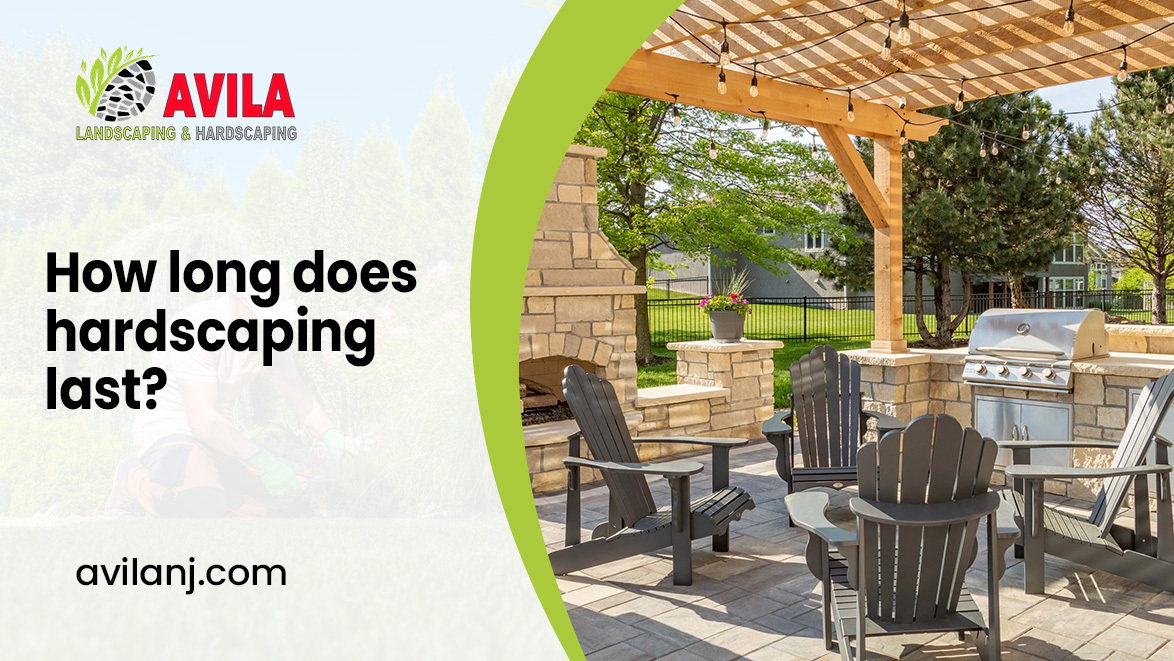
Hardscaping adds real value to any outdoor space. Patios, walkways, retaining walls and driveways all take daily wear and tear from foot traffic, weather and time. Some materials hold up for decades with very little care. Others need more attention to stay in good shape. If you have been wondering how long hardscaping lasts, this guide gives you the full answer.
Core Takeaways
- Most hardscaping lasts between 20 and 100 years, depending on the material.
- Natural stone and brick are the longest-lasting options available.
- Poor installation and bad drainage are the two biggest factors that affect how long hardscaping lasts.
- Regular sealing, cleaning and quick repairs add years to any hardscaping project.
- Climate, traffic and material quality all play a big role in lifespan.
How Long Does Hardscaping Typically Last?
Hardscaping installations last a long time when done correctly and properly maintained. Concrete pavers have a lifespan of between 25 and 50 years. Under favorable conditions, natural stone remains intact for 50-100 years or often longer. Poured concrete lasts 25 to 30 years before requiring substantial repair. The lifespan of brick hardscaping is somewhere in the middle; most of it lasts 25 to 50 years with proper care.
A beautifully installed natural stone patio can fail in 10 years if drainage is ignored. If you seal every couple of years and patch small cracks immediately, the most basic concrete path will last 40 years. The material is just one part of the story.
Factors That Affect Hardscaping Lifespan
Several things determine how long your hardscaping actually holds up. Understanding these helps you make smarter choices from the start.
1. Material Quality
Better materials simply last longer. Lower-quality concrete pavers will crack much more quickly under stress and freeze-thaw cycles. Natural stone or heavy-duty concrete pavers of a similar high quality can withstand the same pressures without breaking down quickly. That is why good material usually saves a lot on repairs later.
2. Installation Workmanship
Great materials fail quickly when poorly installed. Things that do matter are quality base layer, proper compaction and spacing. If the foundation is weak, pavers shift, cracks appear and water finds its way. Good installation is what makes the lifespan numbers above actually realistic.
3. Climate and Weather Exposure
Harsh winters, heavy rain and intense heat all wear hardscaping down faster. The most damaging are the freeze-thaw cycles where water expands when it freezes and pushes material apart from within. In fact, coastal areas with salt air experience even more stress. Selecting climate-friendly materials wherever you are located is very impactful.
4. Drainage and Water Management
Water is the number one enemy of hardscaping when it has nowhere to go. That means water gathers beneath and around surfaces that can damage the base, causing them to sink or break. Proper slope, drainage channels and permeable base materials keep the water flowing away from the structure which adds years to its life.
Which Hardscaping Materials Last the Longest?
Different hardscaping materials have different lifespans.
Natural Stone
The oldest and most durable hardscaping material is natural stone. Granite, bluestone and slate last between 50 and 100 years with minimal maintenance. It is so dense, durable and weather-tolerant which makes it more expensive upfront but worth every penny.
Concrete Pavers
Concrete pavers are both a popular and practical option. They have a life expectancy of 25-50 years, easily replaceable individually if cracked or damaged. Sealing them every few years makes them look good and also protects against moisture and eventual staining.
Brick Hardscaping
Brick is a classic option that lasts 25 to 50 years in most conditions. They withstand freeze-thaw cycles reasonably well and add a timeless feel to any outdoor space. Older brick can survive better than a modern equivalent because it was fired at higher temperatures and is denser overall.
Poured Concrete
Poured concrete is the cheapest and most common but doesn’t last as long as pavers or stone. Expect 25 to 30 years before significant cracking or surface deterioration becomes a real problem. Joint filling and sealing help it last longer, but wide cracks typically indicate that a full replacement is needed.
How to Extend the Life of Hardscaping
Even the strongest hardscaping materials need some care over time. A few simple maintenance habits can prevent unnecessary damage.
- Moss, debris and dirt hold moisture against the surface, accelerating deterioration. Routine cleaning of hardscaping keeps it in good condition and helps prevent surface damage over time.
- Sealing fills pores and prevents water, stains, freeze thaw damage. Hardscaping, like concrete and pavers, generally benefits from sealant every two to three years based on exposure and level of use.
- When you see water pooling up on or around your hardscaping, get it fixed quickly. Installing drainage channels or grading adjacent land prevents considerably more expensive structural damage down the road.
- A small crack or loose paver might seem trivial but water gets in and damage spreads quickly. Repairing small problems early almost always prevents larger and more expensive repairs later.
Signs Hardscaping May Need Repair or Replacement
Hardscaping rarely fails without warning. Spotting problems early helps prevent further damage and often reduces repair costs before the issue becomes more serious.
- Small cracks are frequently very easy to repair. Larger or recurring cracks may indicate foundation movement beneath the surface.
- Unsecured, sunken or raised pavers commonly indicate base issues. The early repairs are simple and minimize any further surface movement.
- The presence of puddled water after rain is a red flag for faulty drainage. Eventually, too much dampness makes it sink and crack.
- Always monitor for leaning walls, bulges and horizontal cracking. These are frequently more a symptom of overpressured soil or poor wall drainage.
Is Hardscaping Worth the Long-Term Investment?
Yes, without question. Hardscaping enhances property value, minimizes yard upkeep and also produces accessible outdoor space for decades to come. A well-built patio or walkway returns real value every single year it stands. The secret is knowing what materials to use, hiring the professional for installation, routine maintenance and timely repairs. The majority of hardscaping investments go wrong when you cut corners on any of those three.
Conclusion
Hardscaping is one of the most permanent enhancements you can make to a property. Quality materials, proper installation and routine maintenance all contribute to a longer lifespan. However, it can be affected by the weather, drainage and daily use but most issues can be handled with a bit of care. If you are planning an outdoor feature, Avila Landscaping can help design one that delivers lasting value and curb appeal. Ultimately, how long does hardscaping last? comes down to craftsmanship and material choice but a well-built project can easily serve your property for decades.
Frequently Asked Questions
How often should hardscaping be maintained?
Generally, hardscaping only requires minor maintenance once or twice a year. This includes cleaning, checking for cracks, clearing drainage areas and resealing surfaces every two to three years.
Do paver patios last longer than poured concrete?
In most cases, yes. Paver patios last anywhere from 25 to 50 years and can be easily repaired without having to redo the entire patio since individual pavers are replaceable. Poured concrete has a lifespan of 25 to 30 years and once cracked badly, the entire slab generally needs to be replaced.
Can damaged hardscaping be repaired instead of replaced?
In many cases, yes. Minor damage such as small cracks and loose pavers, can often be repaired without replacing the entire surface. The secret is to catch the issues early.