Have you ever looked closely at your driveway after a bad winter? You might notice small lines that look like hairline cracks. If you ignore them, those tiny cracks turn into big potholes. Big holes can easily pop your tires or scratch your car.
Knowing exactly what asphalt paving is helps you fix up your property safely. Fixing your driveway is a smart move. It helps prevent water from weakening the soil beneath the driveway. Plus, a clean, dark driveway makes your whole house look neat and brand new. Let’s look at exactly what this black road material is and how it works.
Key Takeaways
- Learning what asphalt paving is gives you the knowledge to choose the best, strongest stone mix for your driveway.
- This paving style blends crushed structural rocks with sticky black oil to build highly durable driving surfaces.
- A thick, well-compacted gravel bed must be installed under the blacktop layer or the surface will snap apart under heavy vehicles.
- Spilling common car oil or lawn mower gas on the driveway triggers a chemical reaction that dissolves the glue and ruins the path.
- Applying a fresh coat of liquid protective sealer every three years shields the pavement from sun damage and can easily double its lifespan.
Understanding Asphalt Paving
Think about the black roads you drive on every single day to get to work or the grocery store. That smooth, dark surface is a carefully engineered system designed to support heavy dump trucks and withstand freezing winter snowstorms. It is much more than a thin layer of black paint poured over the dirt, acting instead as a thick stone shield that locks the underlying soil down tightly. When you understand asphalt paving, you realize it is a deep, layered surface built specifically to protect your property and support immense loads.
Some people confuse this blacktop with light-colored concrete but the two materials behave totally differently under daily pressure. Concrete is an extremely stiff material which means it tends to snap like a cracker when the winter ground freezes, expands, and pushes upward. This cracking occurs because rigid stone simply cannot withstand the intense pressure from the moving earth beneath it.
The blacktop mix is completely different from concrete because it retains a slight amount of natural flexibility. Because it is made with flexible oil, it can bend and flex with the moving earth without breaking into pieces. That bendable trait is the exact reason it lasts so long on residential driveways, giving your cars a smooth path that adjusts to the changing seasons without falling apart.
Materials Used to Build It
You might look at a freshly paved road and assume it is just a giant pool of black slime but it is actually a simple recipe made of two raw ingredients. These parts work together perfectly to give you a long-lasting driveway surface that handles years of heavy traffic.
- Crushed Stones and Sand Aggregates: Clean rocks make up almost 95% of the entire driveway mix. Workers crush these stones into different sizes so they fit together and lock tightly like a puzzle. The largest rocks settle at the bottom to hold the heaviest car weight while the tiny sand grains fill the top gaps to make the path smooth and flat. These crushed rocks act like the strong, rigid bones of your new road.
- Sticky Black Glue Binder: The construction crew uses a thick, sticky black oil product called bitumen to bind all those crushed stones together. This liquid oil acts like heavy-duty waterproof glue, coating every single rock and bonding them into a solid, impenetrable mat. Because it is a byproduct of refining crude oil, it keeps the path dark black and flexible for years to come.
The 6 Steps of Paving a Driveway
Pouring a perfectly smooth driveway takes heavy-duty tools, a skilled crew, and fast timing. If a worker skips a single step in the sequence, the black surface will sink, warp, and fall apart within a year. Here is the step-by-step breakdown of how a professional team handles the work from start to finish.
1. Digging Up the Old Ground
First, workers must completely clear the old concrete or dirt surface to make room for the new materials. Heavy tractors smash up old, broken pathways and scoop the debris into large dump trucks for hauling away. The crew must remove all hidden tree roots, old weeds, and soft mud patches because if you leave rotting wood or soft grass buried under the site, the ground will cave in later. You need a totally clean, rock-hard slate of bare dirt before any new paving layers go down.
2. Sloping the Dirt
Next, the machine operators use flat steel blades to level and shape the bare soil. They tilt the ground a tiny bit toward the street or surface so rainwater runs off to the side easily instead of gathering in the center. You never want big puddles sitting in the middle of your driving path because standing water will eventually destroy the driveway. The final slope must push water completely away from your house walls so your garage and foundation stay bone dry.
3. Packing the Rock Base
Once the dirt is sloped, workers spread a thick layer of crushed gravel over the bare ground. This gravel layer acts like a house’s foundation, distributing the weight of your cars so the top black layer does not dent or sag. A heavy, vibrating roller machine packs the rocks down hard until they form a tight, solid floor. This rock layer also acts as a hidden drainage mat that lets groundwater flow away safely beneath your driveway.
4. Checking for Soft Spots
Before pouring any of the hot asphalt mix, the team tests the gravel bed thoroughly to ensure it is strong enough. They drive a heavy, loaded dump truck slowly over the stones while workers watch the ground to look for shifts or dips. If the rocks roll or sink under the tires, it means the dirt below is still too soft to support weight. The crew immediately digs out those weak spots and fills them with stronger stones so the driveway stays perfectly even.
5. Pouring the Hot Mix
Once the rock base passes the heavy truck test, the hot black mix arrives fresh from the plant in a steaming dump truck. A large paving machine spreads the steaming material across the yard at a set, uniform thickness. The mix must be laid down incredibly fast while it is still around three hundred degrees because if it cools down too much, it gets clumpy, rough, and impossible to flatten out properly.
6. The Final Flattening Roll
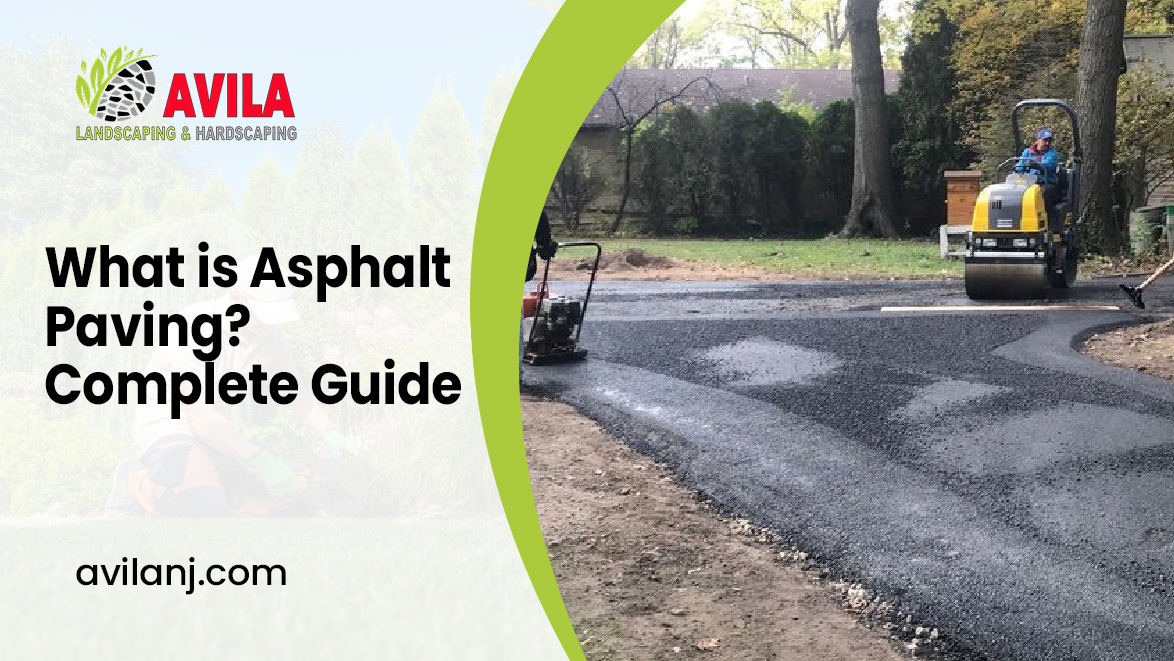
While the blacktop is still smoking hot, a giant steel roller vehicle drives over the surface repeatedly. The heavyweight presses the stones together, forces out any hidden air bubbles, and locks the binder in place. This critical final step leaves the path completely flat, shiny, and smooth. The roller also crushes the outer edges at a sharp forty-five-degree slant so they do not crumble apart when car tires accidentally roll off the side.
Simple Ways to Make Asphalt Paving Last Longer
Once your new path is down and looking gorgeous, you want to protect your investment from daily wear and tear. Fortunately, there are two easy maintenance habits that keep the surface strong and beautiful for twenty years or more.
1. Use a Protective Sealer
Think of liquid sealcoating as applying heavy-duty sunscreen to your driveway. The hot summer sun dries out the black oils over time which turns the path a dull gray color and makes it highly brittle. Gray blacktop cracks easily under heavy tires, so painting on a liquid sealer every three years is essential. This dark liquid locks the oils back in, fills tiny cracks, and keeps the surface deep black and shiny.
2. Wash Off Gas and Oil Drops
If your car has a slow oil leak or you accidentally spill fuel from your mower, you need to clean it up fast with soap and water. Because the pavement binder is made from oil, gasoline triggers a bad chemical reaction when it touches the surface. The spilled fuel will quickly dissolve the sticky black glue, turning your hard driving path back into a soft, loose patch of crumbly gravel mud.
Conclusion
Getting a fresh driveway makes your home look incredibly sharp while keeping your personal vehicles safe from muddy potholes. Learning what asphalt paving is helps you choose the right design options to protect your home property value over the long haul. But trying to lay hot blacktop by yourself without heavy paving equipment and roller trucks is simply impossible. When you need to install a new path, fix old cracks or coat your property with a fresh layer of protective sealer, visit Avila Landscaping to set up your free project plan today.
Frequently Asked Questions
When can I park my car on the new driveway?
Keep all vehicles off the fresh path for at least two full days. The hot material needs plenty of time to cool and harden up completely, especially if the weather outside is hot and sunny.
What is the difference between paving and sealing?
Paving is building a brand-new driveway out of fresh rocks and hot oil from scratch. Sealing is just painting a thin protective black liquid over an old path to guard it from sun damage and rain.
Why did my new path get a tiny crack?
Small cracks happen when the winter ground shifts naturally or water gets under the gravel. Fill those gaps fast with a cheap tube of rubber crack sealer from the store before ice forces them open.
Can you pour new blacktop over an old concrete path?
Yes, you can do this but the old concrete below must be stable and solid. If the concrete underneath is already broken, shifting, and moving, those cracks will tear right through the new top layer very quickly.
How many years does a good driveway last?
A driveway built by a professional crew easily lasts fifteen to twenty years. Just make sure you keep the surface clean from oil spills and put on a fresh coat of sealer every three summers.