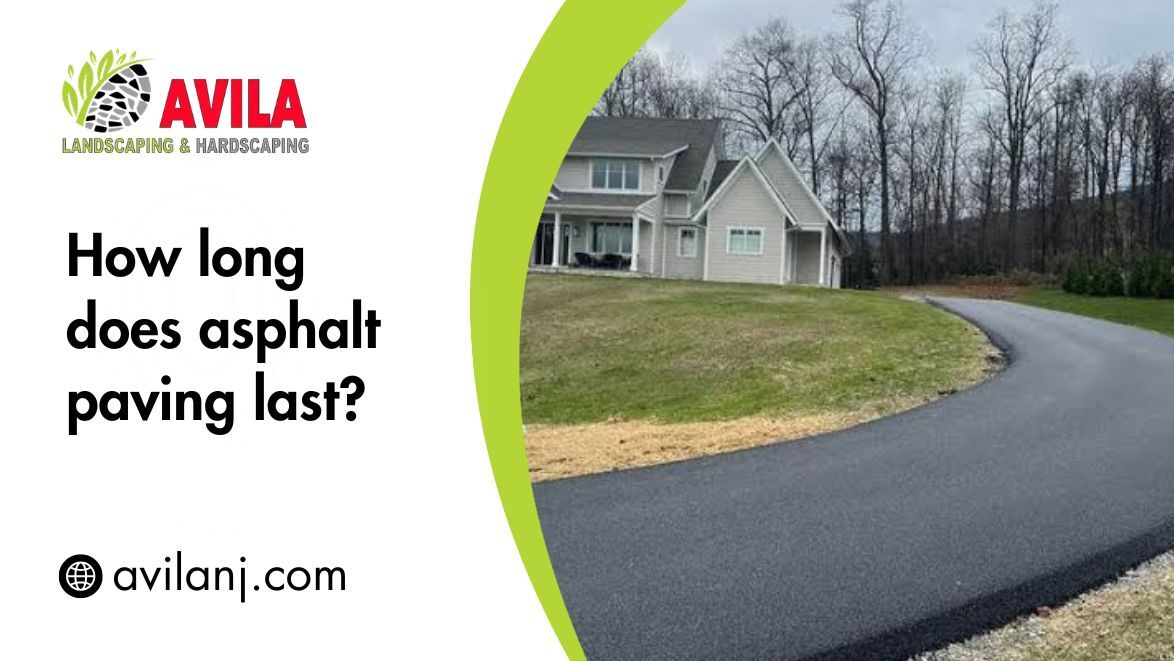
Asphalt paving can last anywhere from fifteen to thirty years, depending on the location of the installation, the quality of the installation and the amount of maintenance it receives. Residential driveways are on the longer side. Heavy vehicle traffic deteriorates commercial parking lots faster. The biggest factor in how long any asphalt surface will actually last is the base under it and how well it was originally installed.
Core Takeaways
- Asphalt paving lifespan ranges from fifteen to thirty years. The base layer quality and maintenance schedule determine where on that range any specific installation lands.
- With proper maintenance, a residential driveway can last anywhere from twenty to thirty years. Commercial parking lots that are heavily used often need major work within fifteen to twenty years.
- Two maintenance steps that do the most to prolong the life of asphalt are sealcoating every two to three years and early filling of the cracks.
- Alligator cracking, recurring potholes, soft spots, and general surface deterioration are all indicators of the pavement reaching the end of its service life.
- Resurfacing works when the base is still good. If the base has failed, the only real solution to the problem is to replace the base.
Average Lifespan of Asphalt Paving
Life span varies widely depending on what the pavement sees on a day-to-day basis.
- Residential driveways usually last twenty to thirty years with regular maintenance. Low traffic and consistent sealcoating tend to run toward the high end.
- Commercial parking lots usually last for fifteen to twenty years before they need major repair or resurfacing. High traffic volumes and heavy vehicles noticeably accelerate deterioration.
- Roads and highways are built to a higher specification but still need resurfacing every eight to fifteen years depending on traffic load and climate conditions.
What Affects How Long Asphalt Lasts
There is more to the surface than meets the eye. It’s a function of what’s under it and how the pavement is utilized, how many years it truly lasts.
Quality of the Base Layer
The base layer does most of the structural work. A properly compacted granular base distributes vehicle load and moves water away from the pavement structure. A poor base shifts, settles and lets water in which undermines the asphalt above regardless of how thick the surface layer is. Most premature asphalt failures trace back to the base not the surface.
Climate and Weather Conditions
Asphalt is particularly hard hit by freeze-thaw cycles. Water seeps into minute cracks, where it freezes and expands, forcing the crack to widen. Repeat that through a few winters and surface damage occurs quickly. Hot climates bring other problems. High temperatures can soften asphalt and heavy loads chew up road designs that weren’t made for the heat.
Traffic Load and Volume
A residential driveway handles a fraction of the stress a commercial parking lot does. Heavy trucks are especially damaging. A single loaded semi puts more stress on pavement than thousands of passenger car passes. Any asphalt that regularly carries heavy vehicles wears faster than standard lifespan estimates suggest.
Quality of Installation
Poorly mixed, under-applied, or improperly compacted asphalt will fail sooner than properly applied pavement. Any joints that are not properly sealed become early failure points. Water sits where it shouldn’t because the original design lacked proper drainage. These problems appear in the first few years, not at the end of the expected lifespan.
Maintenance and Upkeep
Asphalt, when maintained, always lasts longer than neglected asphalt. A seal coat retards oxidation. Filling in cracks will prevent small problems from becoming structural issues. Prompt repair of potholes stops further damage to the base. Pavement that receives regular attention will last a lot longer than pavement that is only looked at when something fails.
Signs Your Asphalt Is Reaching the End of Its Life
Some signs show up gradually. Others appear more suddenly after a hard winter or a wet season.
Widespread Cracking and Alligator Cracking
Surface cracks in isolated areas are typically a maintenance problem. Alligator cracking is a pattern that resembles alligator skin. This means that the base has failed and the surface is no longer adequately supported. Patching it works but the underlying problem keeps coming back. The next realistic step then is this resurfacing or replacement.
Potholes That Keep Coming Back
If a pothole gets filled and returns in the same spot within a season, that’s a sign of a base problem. The patch is good for the surface but the base still fails underneath. If you keep seeing potholes in the same area, that’s often an indicator that the area needs more than a patch.
Fading and Surface Deterioration
New asphalt is dark and a little bendable. Over time, it is oxidised by UV and fades to grey. This process is called raveling and it begins by loosening the surface aggregate. These are normal signs of ageing but they mean the surface is becoming more permeable and more vulnerable to water intrusion. This is considerably slowed by sealcoating earlier in the life of the pavement.
Drainage Issues and Pooling Water
Water on the surface accelerates deterioration and works its way into cracks and down to the base. If the pavement was installed with the proper grading and water is now collecting where it did not used to, the pavement may have shifted or settled unevenly.
Soft or Sinking Sections
Sections that feel soft underfoot or sit visibly lower than surrounding areas have a base problem. The material underneath has shifted, washed away or compacted unevenly. Surface patching alone won’t fix this. The base needs to be addressed or the problem keeps coming back.
How to Extend the Life of Asphalt Paving
Maintenance won’t prevent aging, but it will greatly slow it down, and postpone the time when the work becomes inevitable.
Sealcoating on a Regular Schedule
Every two to three years sealcoating fills the minor surface voids slowing oxidation and preventing water penetration into the surface layer. New asphalt should be allowed to cure for 6 to 12 months before the first sealcoat is applied. After that, one of the most cost-effective things a property owner can do for their pavement is to stick to a regular schedule.
Crack Filling Before Damage Spreads
Cracks should be filled as soon as they appear. A small crack filled early costs very little. The same crack left through a winter of freeze-thaw cycles becomes a significantly larger problem by spring. Annual inspection and crack filling is the most practical way to extend time between major repairs.
Prompt Pothole Repair
A pothole left alone gets bigger with every vehicle that passes through it. Water gets into the base through the open hole and accelerates damage around the edges. Fixed promptly it’s a minor repair. Left for a season, it becomes a larger job with potential base work involved.
Keeping Drainage Clear
Blocked drains, packed catch basins and grading that has shifted over time all let water sit on or against the pavement longer than it should. Keeping drainage clear is part of pavement maintenance not a separate issue to deal with later.
Conclusion
Asphalt paving lifespan comes down to three things. How well it was installed, what conditions it faces and how consistently it gets maintained. A well-installed surface on a solid base that gets sealcoated and crack-filled regularly will outlast one that was poorly built or ignored for years. If your pavement is showing signs of significant aging or recurring problems that repairs aren’t fixing get in touch with Avila Landscaping for an honest assessment of what it actually needs.
Frequently Asked Questions
How often should asphalt be sealcoated?
Every two to three years for most surfaces. New asphalt needs six to twelve months to cure before the first sealcoat. A regular schedule after that keeps the surface protected and extends pavement life noticeably.
Can asphalt be resurfaced instead of replaced?
Yes, if the base is still structurally sound. Resurfacing means putting a new layer of asphalt over an old one, which restores the function of a road without taking up the whole surface. If the base has already failed then resurfacing only postpones replacement rather than avoiding it.
What is the difference between asphalt repair and resurfacing?
Repairs are made to specific areas of damage such as potholes or cracks without affecting the surrounding pavement. Resurfacing involves laying a new layer of asphalt over the entire surface. Repair kits are for isolated damage. Resurfacing is more logical when there is widespread deterioration across the entire surface.