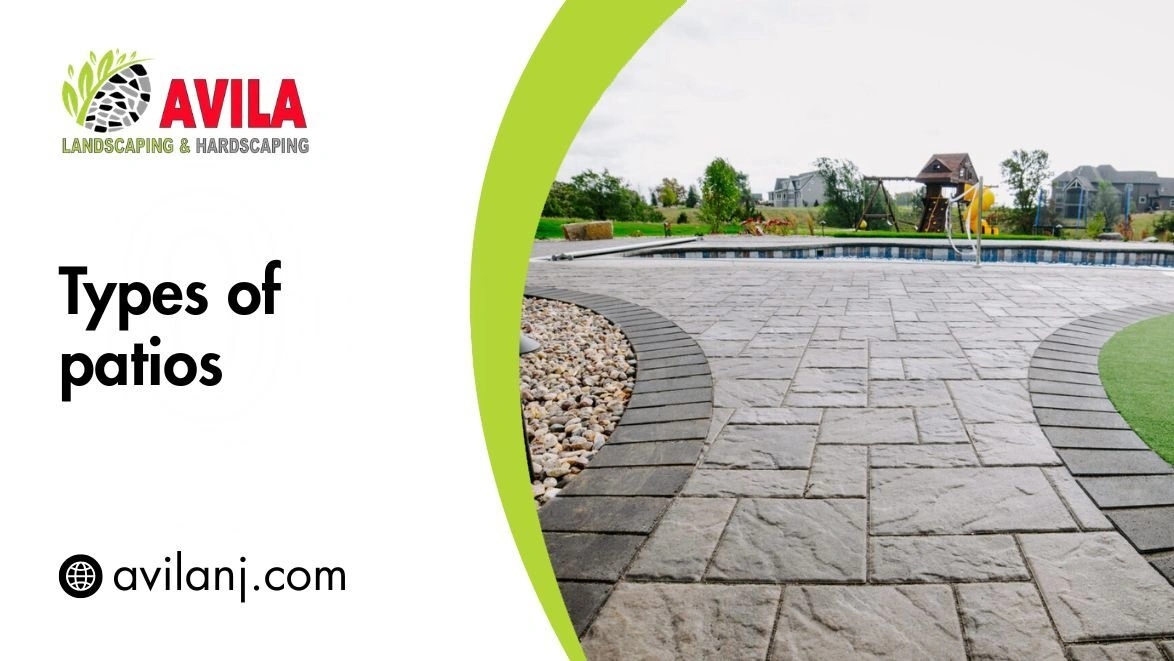
The different types of patios can be categorized by both material and design. Common patio materials include concrete, brick, pavers, flagstone and gravel. Popular patio styles include attached, detached, covered, rooftop and sunken patios. The best patio type depends different factors. For instance: on your budget, climate, maintenance preferences and how you plan to use the outdoor space.
Core takeaways
- There are many types of patios, including concrete, brick, pavers, flagstone and gravel. Each comes with different installation costs, maintenance requirements and lifespans.
- The size of a patio may also be an issue but the most important factor is how much maintenance it will require over the years and not only what it looks like on day one.
- The design you choose depends on your style but there are many choices including attached, detached, covered, sunken and even rooftop. They all serve a different purpose.
- Your budget and climate should be more important than style and look. A material that looks great in the store may not stand a chance of surviving your climate.
- If you plan to bring furniture or an outdoor kitchen down in the future getting the size of the patio correct from the start saves a lot of regret.
What Is a Patio?
A patio is an outdoor surface, usually paved or finished in some way, attached to or near the house and used as a living or entertaining space. It’s not a deck, a deck is elevated and built from wood or composite. A patio sits at ground level. Most people build one to get more usable space out of their yard without doing a full addition. Done right, a patio also adds real value to the home, not just a nice place to sit outside.
Types of Patios by Material
The material you build shapes everything, how it looks, what it costs, how long it lasts and how much work it needs over time.
Concrete Patio
Concrete is the most common choice and honestly it makes sense. It’s affordable, durable and once it’s down it pretty much just sits there without asking much from you. You can stamp it, stain it or texture it if you want something that looks less plain. The downside is it can crack over time, especially in areas with freeze thaw cycles, and repairs aren’t always the cleanest fix.
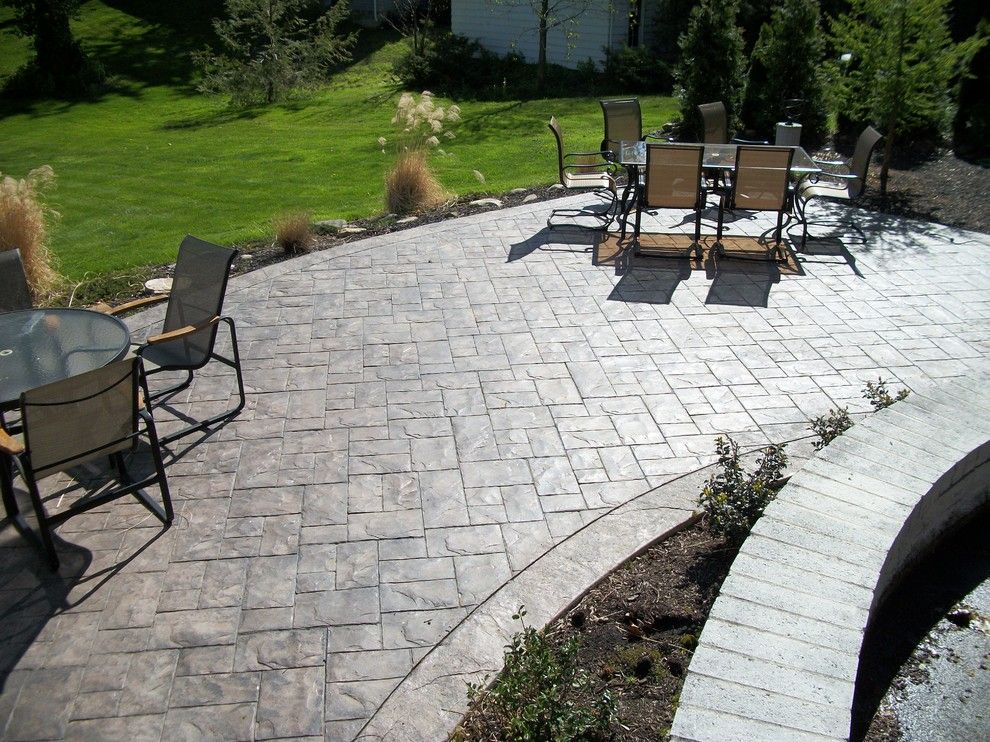
Brick Patio
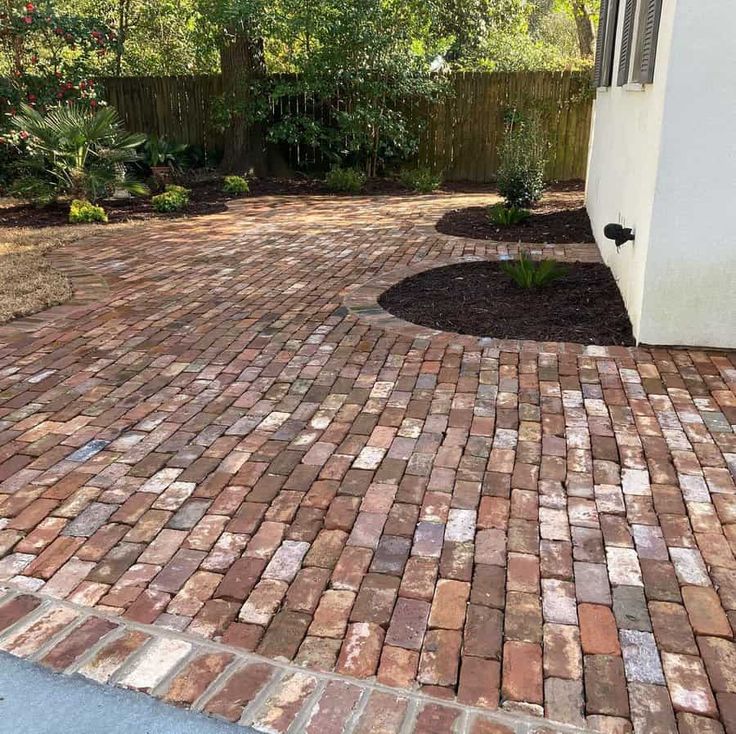
Brick gives a classic look that holds up well and ages nicely. It handles heat better than concrete and individual bricks can be replaced if something breaks, which is a big practical advantage. The cost sits higher than concrete and the installation takes more time since each brick gets laid individually.
Paver Patio
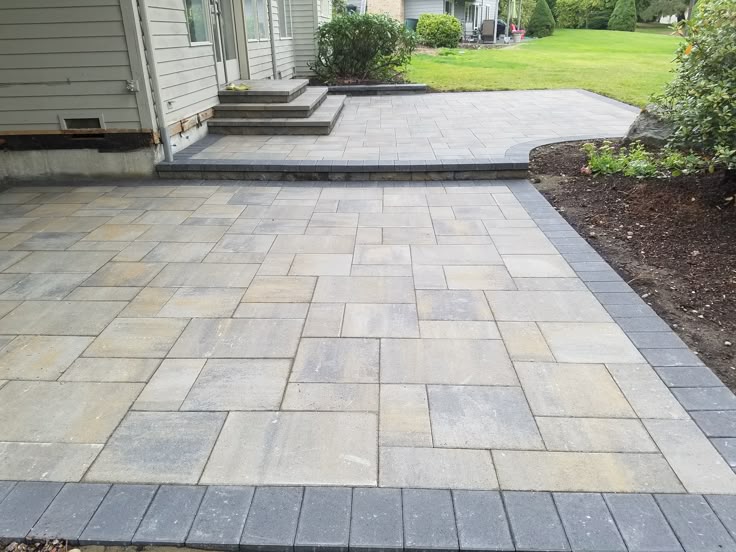
Pavers are probably the best right now. They can be concrete, natural stone or brick-based and offer a lot of choices in pattern and color. As with brick, single pavers can be replaced if they crack or move. They do require occasional releveling as the soil below shifts over time.
Flagstone Patio
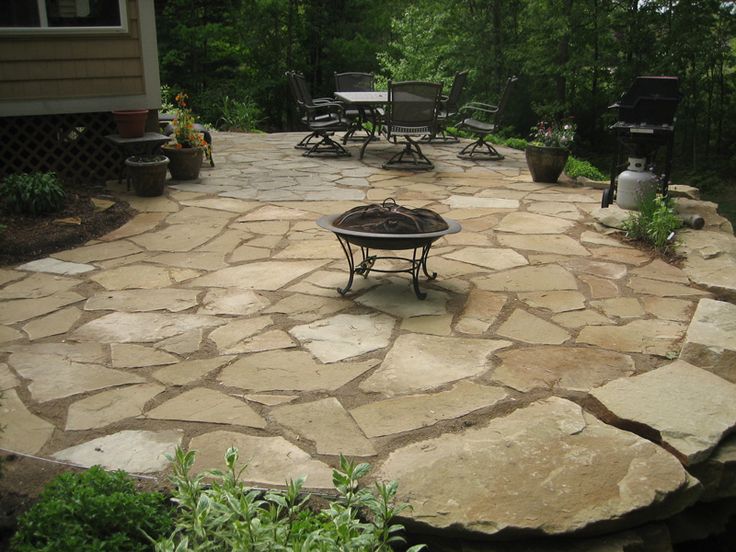
Flagstone gives a natural, organic look that’s hard to replicate with manufactured materials. Each piece is unique which is part of the appeal. It’s on the pricier side and the uneven surface can be an issue for furniture stability, but for pure aesthetics a lot of people think it’s worth it.
Gravel Patio
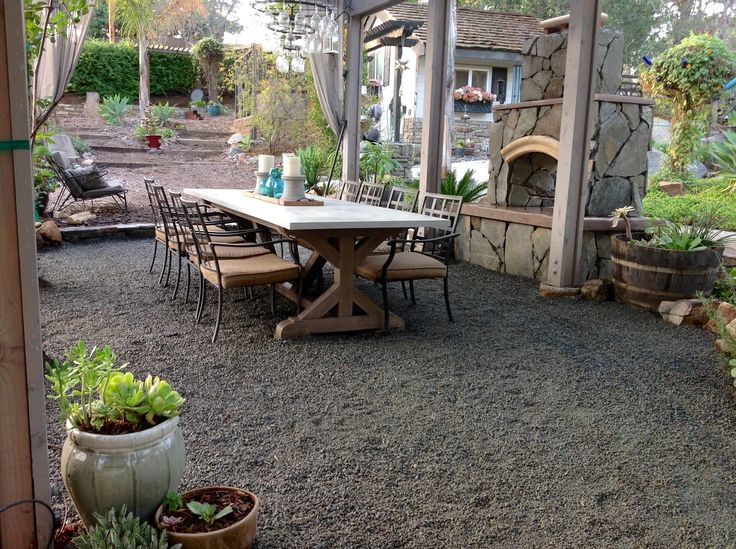
Gravel is the cheapest option to install and one of the easiest to DIY. It drains well which is a real advantage in wet climates. The downside is it shifts around, needs topping up occasionally and isn’t the most comfortable surface to walk on barefoot or move furniture across.
Wood Deck Patio
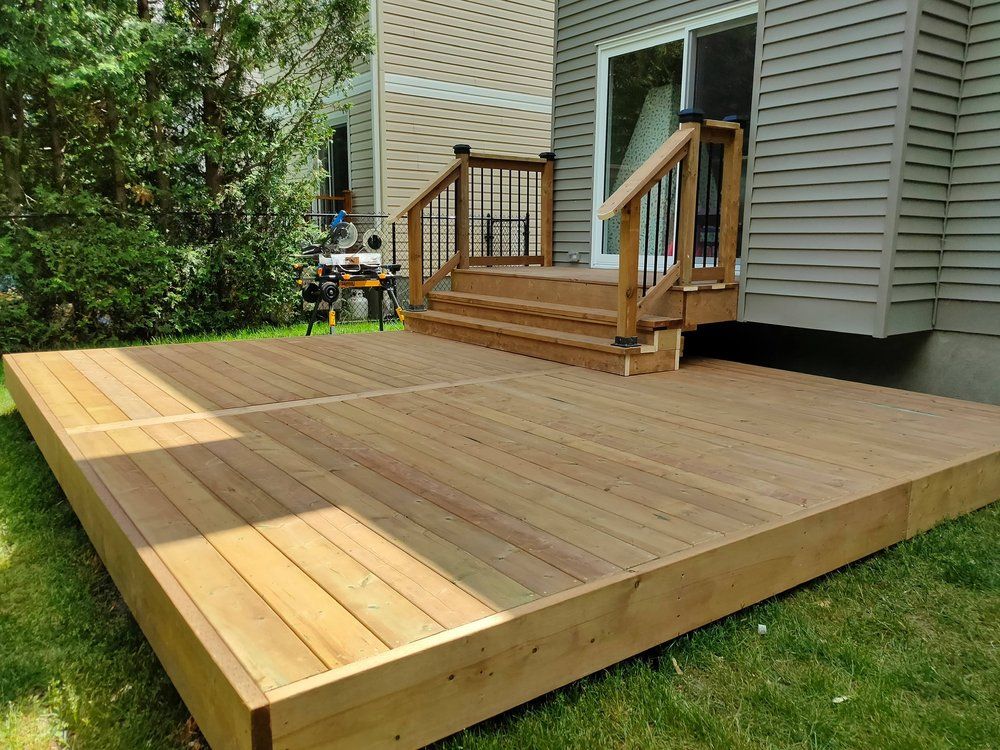
Technically a deck but usually put in with patios because the purpose is the same. Wood is warm and natural but requires regular sealing, staining or painting if you want it to keep on the outside. Leave it and it warps, rots or splinters at a rate you won’t expect.
Composite Deck Patio
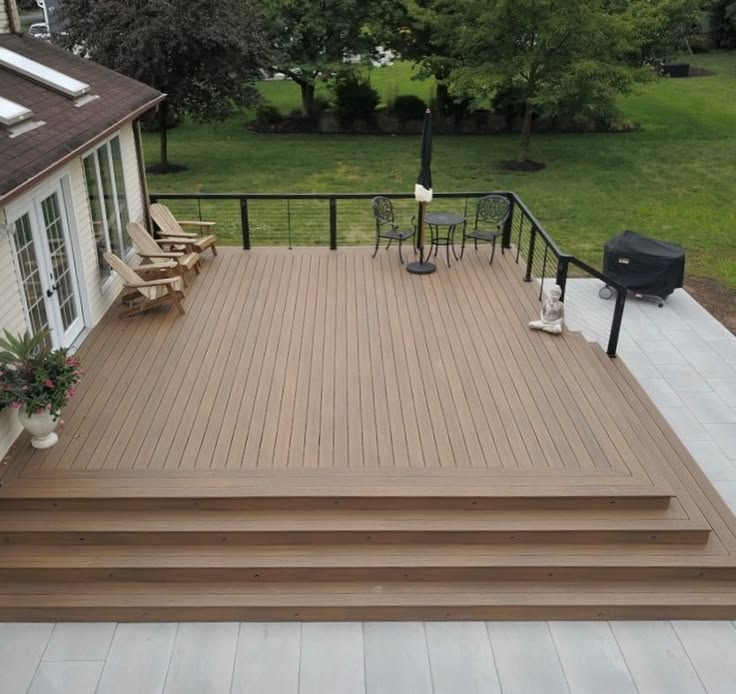
Composite is a low maintenance alternative to wood. It consists of wood fiber and plastic so it never rots, warps or needs to be sealed every year. It costs more than wood initially but saves you time and money in the long run. The range of colors has increased dramatically in recent years so it doesn’t look quite so fake anymore.
Types of Patios by Design Style
Material is one decision, design style is another. How and where the patio sits on your property changes how you use it day to day.
Attached Patio
The attached patio links from inside the house, usually from the back door or sliding glass door. It’s the most popular because it has a more natural flow from inside to outside. The easy accessibility makes it practical and usable for everyday use, such as morning coffee or dinner outside.
Detached Patio
It’s a separate patio located some distance away in the yard. It is more a destination in its own right than an addition to the house. Excellent if you want a quiet space away from the house or if your yard layout makes an attached patio awkward.
Covered or Enclosed Patio
A covered patio has a roof pergola, solid roof or even just a shade sail on it. It essentially expands in how many months per year you can make use of the space since rain and scorching sun are no longer an issue. Fully enclosed covers with screens or glass panels extend this to the point that they become outdoor rooms.
Rooftop Patio
Often found in places where ground space is scarce. A rooftop patio is an outdoor living space built on a building’s flat roof. But before building one, weight load, access and waterproofing should all be seriously considered, though the views and privacy are worth the extra complexity.
Sunken Patio
The patio level is set below the surrounding ground level, maybe a foot or two. It encloses you and provides privacy, without the need for walls or fences. It looks nice in the yard, but drainage must be arranged correctly and it puddles up every time it rains.
Patio Cost Comparison
The cost of a patio depends largely on the material you choose. While some options are affordable upfront, others require a larger investment but can last decades with minimal maintenance. The table below shows the average installed cost range for patio materials in Jackson, NJ.
| Patio Material | Average Installed Cost (per sq. ft.) | Lifespan | Maintenance |
| Gravel | $5–$12 | 10–20+ years | Medium |
| Concrete | $8–$15 | 25–30 years | Low |
| Brick | $18–$30 | 25–40+ years | Low-Medium |
| Pavers | $20–$35 | 30–50 years | Low |
| Flagstone | $25–$45 | 40+ years | Low |
| Wood Deck* | $25–$45 | 10–25 years | High |
| Composite Deck* | $40–$70 | 25–50 years | Low |
*Wood and composite decks are technically not patios but are often considered alongside patio options when planning an outdoor living space.
If keeping costs low is your main goal, gravel and concrete are usually the most budget-friendly choices. Gravel has the lowest installation cost. Concrete offers a more permanent surface. One that requires little maintenance over time.
For homeowners looking for a balance between cost, appearance, and durability, brick and pavers are often the most popular options. Although they cost more upfront, they are easy to repair because individual pieces can be replaced if they become damaged. Flagstone sits at the premium end of the market. It is often chosen for its natural appearance & long lifespan.
How to Choose the Right Patio for Your Home
- Start with a budget. Gravel and concrete are cheapest, pavers and brick sit in the middle, flagstone and composite cost the most upfront.
- Climate matters more than people think. Concrete cracks in freeze-thaw conditions. Gravel drains well in wet areas. Wood struggles anywhere with high humidity or heavy rain.
- Maintenance is a long term cost people underestimate. Concrete and pavers need minimal upkeep. Wood needs annual sealing. Gravel needs occasional topping up.
- Finally, look at your actual yard space. A small yard needs a design that doesn’t overwhelm it. A larger space gives you room to think about detached or sunken options. Get the size right from the start.
What is the cheapest type of patio to build?
Gravel is the cheapest option overall, low material cost and easy to DIY. Concrete comes in second and is a better long term investment if you want something more permanent without spending too much.
Which patio material lasts the longest?
Brick and natural stone like flagstone last the longest, sometimes 50 years or more with basic upkeep. Concrete holds up well too. Wood is at the other end, needs the most maintenance and has the shortest lifespan if neglected.
Do I need a permit to build a patio?
Depends on where you live and the size of the patio. A simple ground level patio often doesn’t need one but covered structures, rooftop patios or anything attached to the house usually do. Check with your local building department before starting.
Conclusion
Picking the right patio comes down to your budget, your climate and how much upkeep you’re realistically willing to do. There are so many types of patios out there that most people can find something that fits their yard and their lifestyle without breaking the bank.
If you want help figuring out what works best for your space, Avila Landscaping & Hardscaping can design and build the right patios for your home. Get in touch and see what they can do for you.