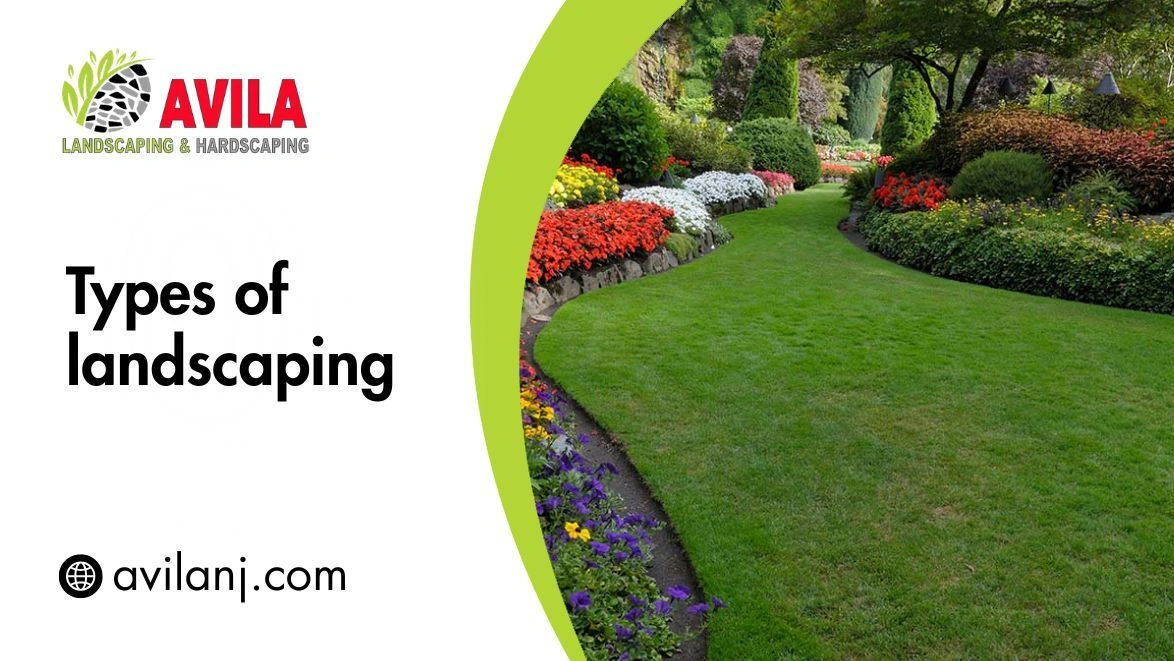
The different types of landscaping can be grouped into styles, functions and design elements. Common landscaping styles include formal landscaping, informal or natural landscaping, modern landscaping, cottage gardens, tropical landscaping and xeriscaping. Functional landscaping types include residential landscaping, commercial landscaping, sustainable landscaping, edible landscaping and erosion-control landscaping. Most landscape designs combine softscape elements, such as plants, trees, flowers and lawns, with hardscape features, such as patios, walkways, retaining walls as well as outdoor living spaces. Together, these elements create outdoor spaces that are both attractive and functional.
Core Takeaways
- There are many types of landscaping, from various formal garden styles to desert xeriscaping, tailored to specific climates, budgets and property sizes.
- Style and functionality are two distinct decisions. Your yard can be designed to look formal and control erosion at the same time, or be designed to look natural and produce food.
- Softscape (living things, such as plants, grass and trees) and hardscape (built things such as patios, retaining walls and pathways) are equally important.
- Climate and soil should dictate your landscaping choices rather than what you see in a landscaping magazine.
- Maintenance commitment is often underplayed. Some landscaping styles require weekly attention, while others need almost none once they’re established.
What Is Landscaping and Why Does It Matter?
Landscaping is the process of designing, installing & maintaining outdoor spaces to improve their appearance as well as environmental performance. Good landscaping also controls water runoff, reduces erosion, provides shade and can lower your energy costs by blocking wind or sun in all the right places. It also adds real value to a property. Studies consistently show landscaping increases home resale value, sometimes significantly depending on what’s been done and how well it’s maintained.
Types of Landscaping by Style
Style is basically the personality of your outdoor space. Here’s how the main ones break down.
Formal Landscaping
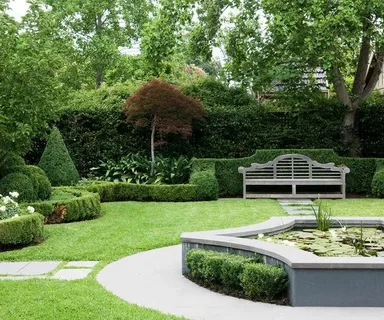
Formal landscaping is nice if you want everything symmetrical and pleasing. Hedges are trimmed into shapes, pathways are dead straight and greenery has a considered aesthetic. It’s a tidy approach but it also requires frequent maintenance. As it happens, let it go for a few weeks and it starts looking messy fast.
Informal or Natural Landscaping
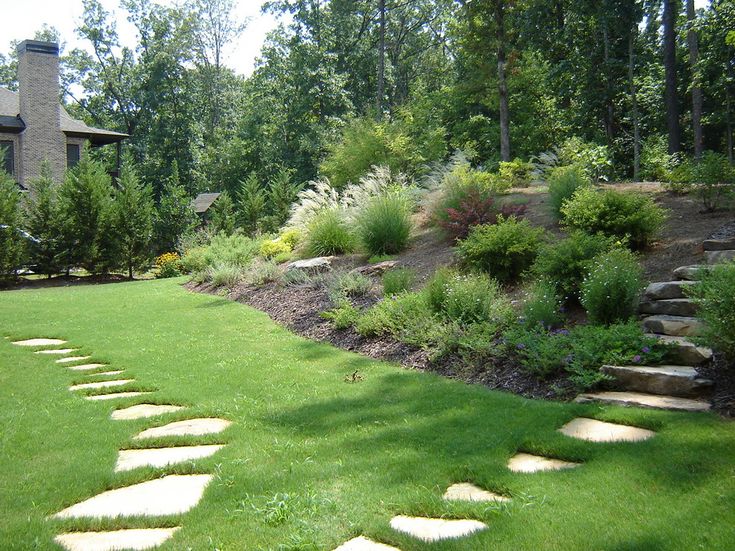
Informal landscaping is designed to mimic natural environments with less rigid structure. Natural planting is encouraged, patterns are relaxed so the garden doesn’t look planned. It often requires less routine maintenance once established.
Modern and Minimalist Landscaping
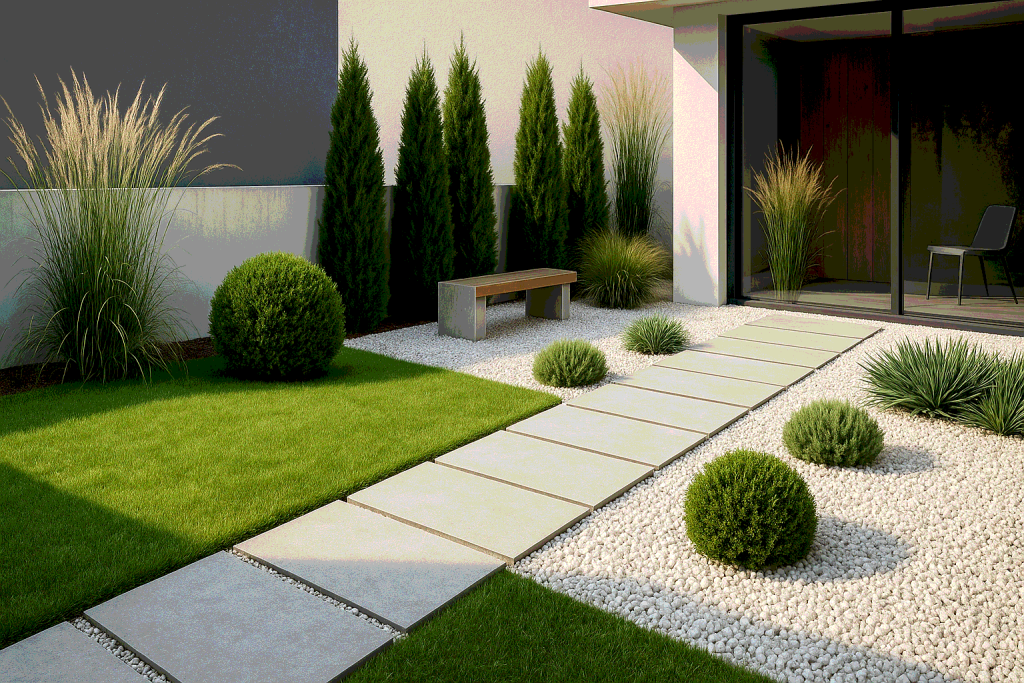
This style is typically identified by clean lines, few varieties of plants and a great deal of hardscape such as gravel, stone and concrete. Contemporary landscaping is ideal for those who want a beautiful green space that requires little attention.
Cottage Garden Style
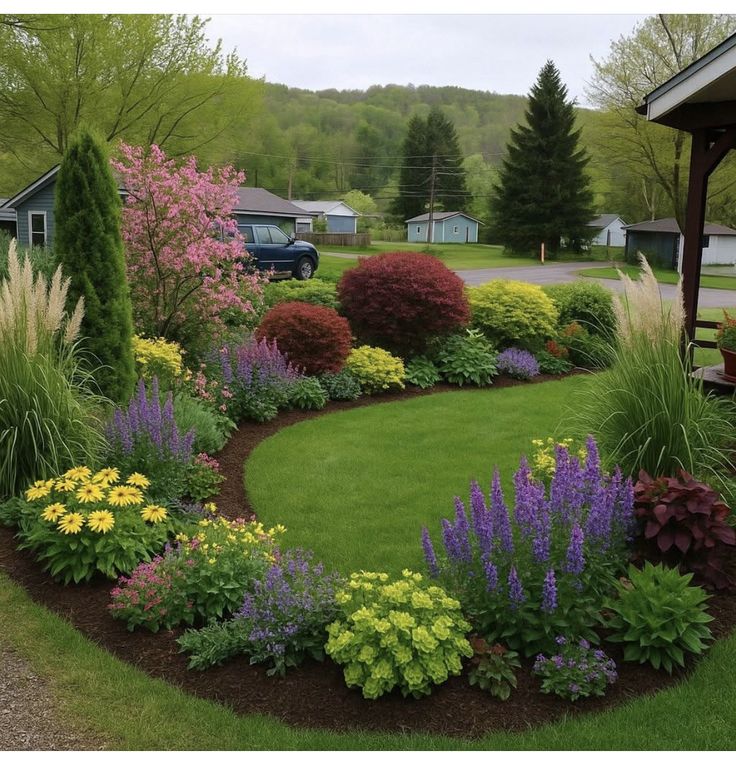
Cottage gardens are full, colorful and a bit wild-looking in a deliberate way. Lots of flowering plants, herbs and climbers mixed without too much structure. Very charming but needs regular attention during the growing season to stop things getting out of hand.
Tropical Landscaping
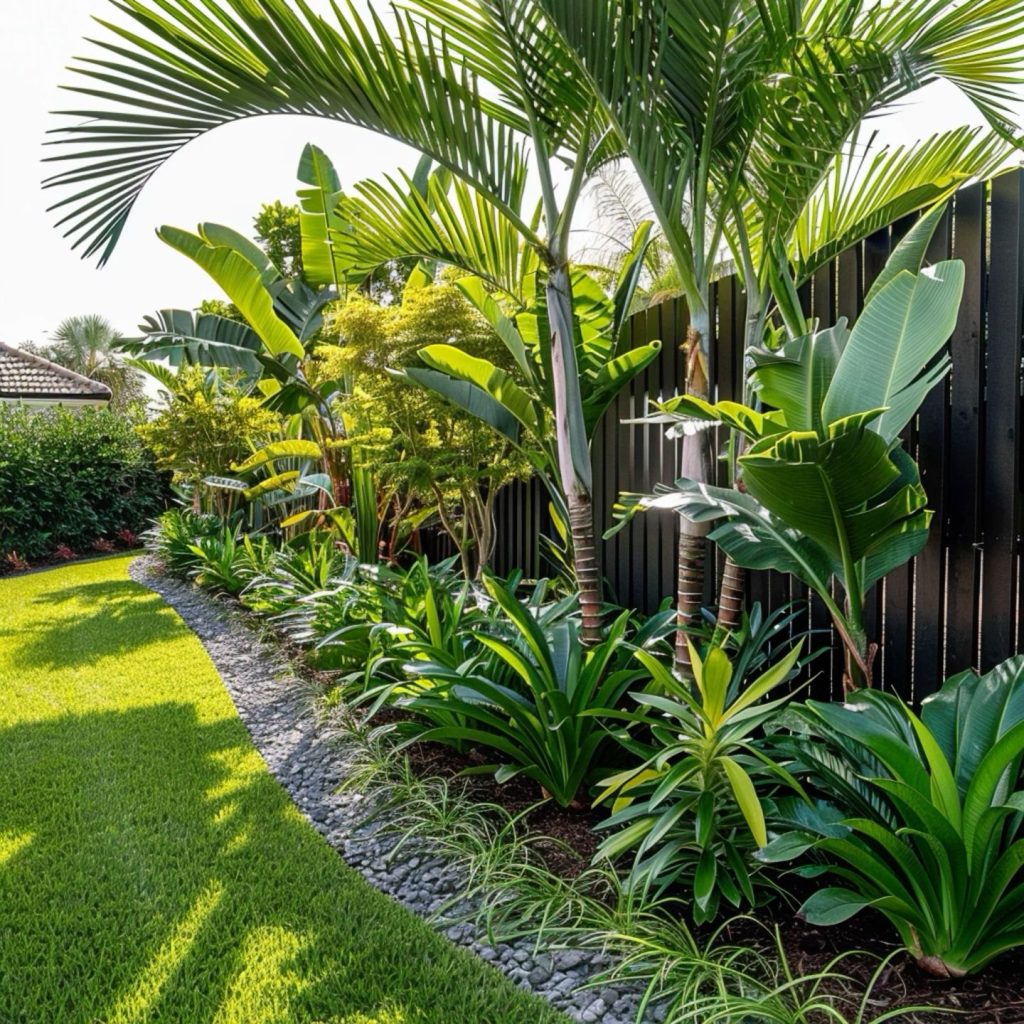
Large bold leaves and foliage, bright flowers and a lot of planting make this style of landscaping look tropical and lush. It’s perfect for warm, humid climates. It’s possible to imitate tropical landscaping in reasonably hot places but many ‘tropicals’ will not survive outdoors in the winter.
Desert or Xeriscape Landscaping
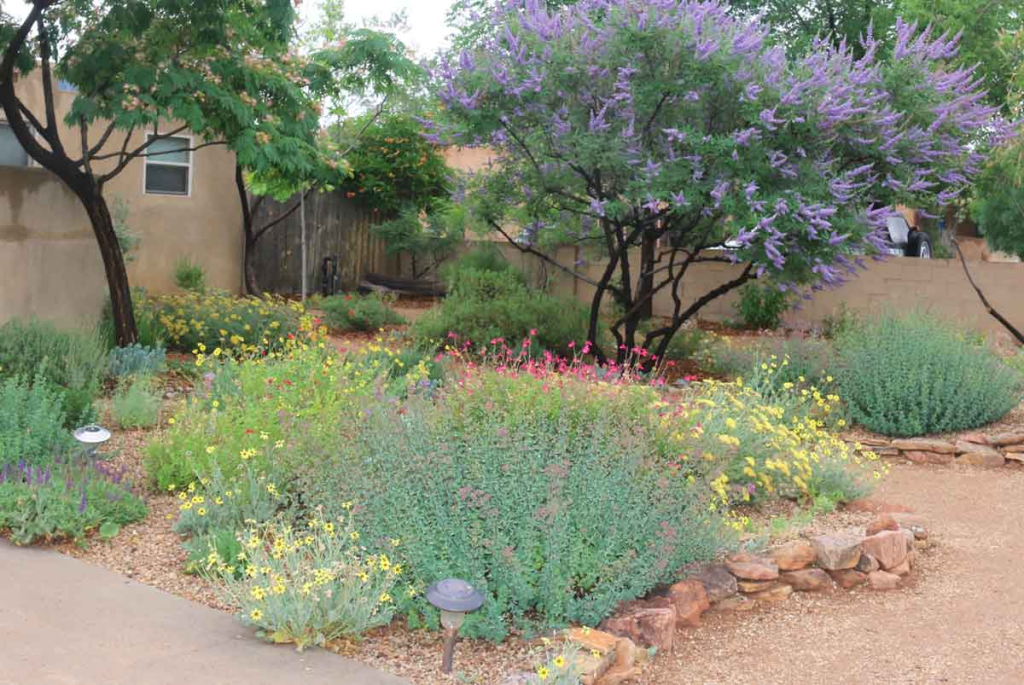
Xeriscape landscaping requires little irrigation and uses drought-tolerant plants. It was originally popularized for deserts but is now common in many places because of its minimal requirements and water costs. This style of landscaping is good if your area has a lot of trouble maintaining a traditional lawn.
Types of Landscaping by Function
Style is how it looks. Function is what it actually does. These categories overlap with style but the focus is on purpose.
Residential Landscaping
Residential landscaping focuses on the outdoor areas of a home. This includes front yards, backyards as well as side yards. Homeowners typically prioritize curb appeal, usable outdoor living spaces, privacy as well as property value.
Commercial Landscaping
Commercial landscaping balances visual appeal with durability & ease of maintenance. Nobody wants to constantly manage a high-maintenance landscape on a commercial site. Irrigation systems, hardy plant selections and clean hardscape tend to dominate commercial projects.
Sustainable and Eco-Friendly Landscaping
If you’re looking to decrease your carbon footprint or attract beneficial insects and pollinators, or reduce irrigations cost and fertilizers, you have perhaps heard of sustainable and eco-friendly landscaping. The beauty of sustainable landscaping is that it follows the ecosystem instead of fighting with it. Native plants, composting, rainwater harvesting, chemical use reduction and wildlife-friendly designs are only a few examples of how to achieve an eco-friendly landscape.
Edible Landscaping
This is a growing trend in landscape design. Instead of keeping food-producing items separate from ornamental plants, blend them into the design of the overall landscape. Fruit trees, berry bushes, herbs and other vegetables are included within or around ornamental plants in the landscape. It lets you keep ornamental plants while also growing food at the same time.
Slope and Erosion Control Landscaping
For those with a sloped property, this type of landscaping can be extremely vital to maintain proper drainage and to keep soil erosion from destroying the entire area. While not glamorous, slope and erosion control landscapes focus upon using deep-rooted plants and hardscape to maintain the soil and prevent damage from erosion.
Types of Landscaping Elements
Every landscaping design is comprised of a selection of these components in varying proportions.
Softscape (Plants, Trees, Grass, Flowers)
Softscape is all the living things. Grass, plants, trees, shrubs, flowers and ground covers. They will change with the seasons and require consistent care to remain healthy and attractive. Getting the plant selection right for your local environment determines the amount of work the softscape will require over time.
Hardscape (Patios, Walkways, Retaining Walls)
Hardscape is all the built surface and non-living things. Patios, walkways, fences, pergolas and retaining walls. Once they are built, they stay where they are and require less maintenance compared to softscape. The materials you choose at the time of installation will influence how they look and how long they last.
Water Features
Ponds, fountains, streams, waterfalls. Water features add movement and sound to a space and can really change the feel of a yard. They require regular maintenance and cleaning so keep this in mind before deciding on a water feature.
Outdoor Lighting
Lighting extends how long you can actually use the space and adds security at night. Path lights, uplighting on trees, string lights, all of it falls here. LED options have made outdoor lighting a lot more energy-efficient and affordable than it used to be.
How to Choose the Right Landscaping for Your Property
A few things should drive the decision before you start picking plants or materials.
- Climate and soil type come first. A landscaping style that works in Florida will struggle in Minnesota. Know what your land can actually support before deciding anything else.
- Be honest about your maintenance commitment. Some styles need weekly attention, others barely need anything once established.
- Property size and layout shape what’s even possible. A small yard rules out certain designs entirely.
- Check the HOA rules and local regulations before planning any project. Some areas restrict certain plants, structures or water features.
What is the simplest type of landscaping to maintain?
Xeriscape and modern minimalist landscaping are the simplest, requiring the least maintenance once it’s established, especially in dry climates.
Which type of landscaping adds the most value to a home?
Well-designed landscaping that combines healthy lawns, mature plantings & functional outdoor living areas typically provides the greatest return on investment.
What is the difference between landscaping and hardscaping?
Landscaping covers everything outdoors including plants and built elements. Hardscaping refers specifically to the non-living built structures like patios, walkways and retaining walls.
Conclusion
There are a lot of different types of landscaping and the right one depends on the climate you live in, how much it will cost in the first place and how much maintenance you want to deal with. Choosing the right type in the first place will save you a ton of money and time later on. Avila Landscaping & Hardscaping can help you choose the right landscaping solutions for your property and maintenance goals.